






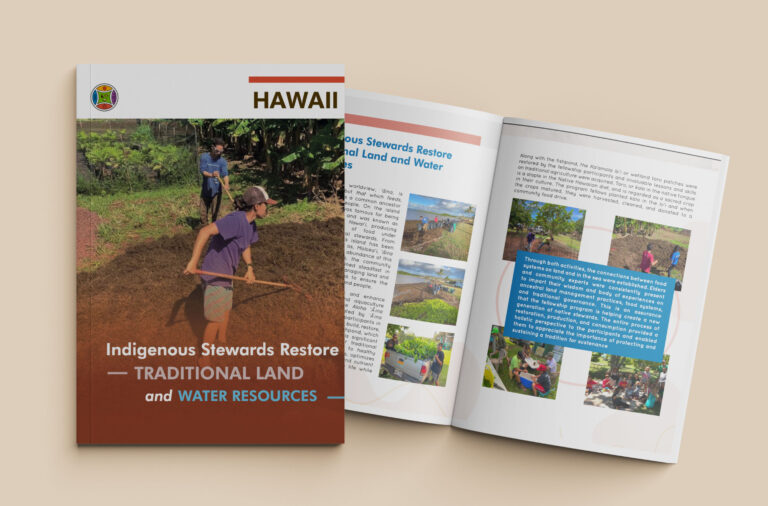
Aloha ‘Āina Fellowship Program
Young adults are trained in indigenous natural resource management, cultural resource management, and in promoting a traditional and holistic approach to caring for the land and building capacity in young leaders to revitalize food sovereignty in Hawai‘i.
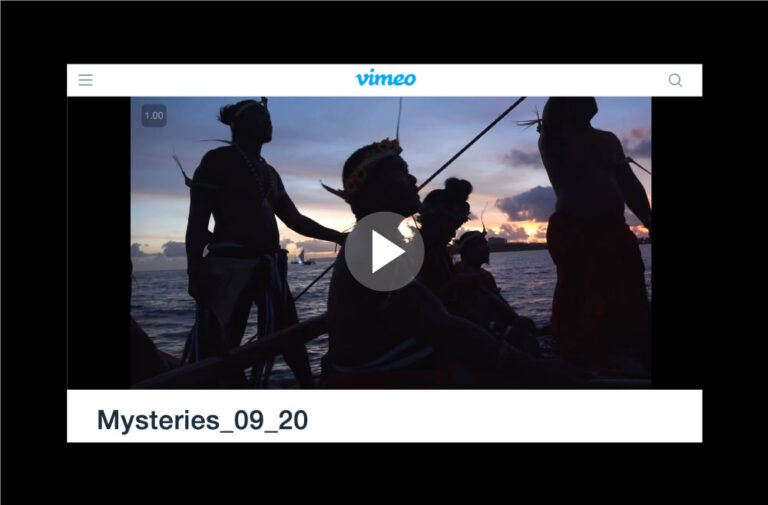
Ancestral Wisdom
We share with you a video that shows us the art, spirituality, community work, rescue and importance of the ancestral wisdom of Indigenous Peoples and their challenges and adaptation to climate change.
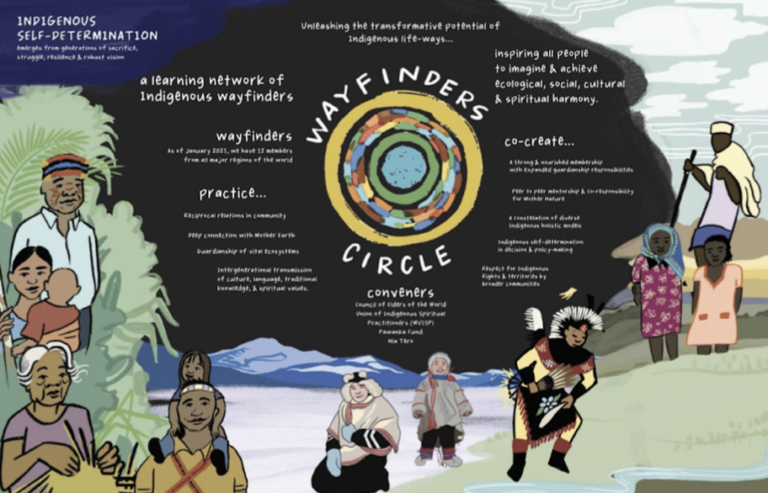
Responsability to Mother Earth
Lessons of Indigenous Governance Indigenous peoples practice numerous governance systems based on their ancestral traditions and incorporating innovations. While these systems vary from community to community, they share many characteristics: a collective sense of responsibility for nurturing, protecting, and defending the territory and the balanced use of their resources and participation in decision-making. During these
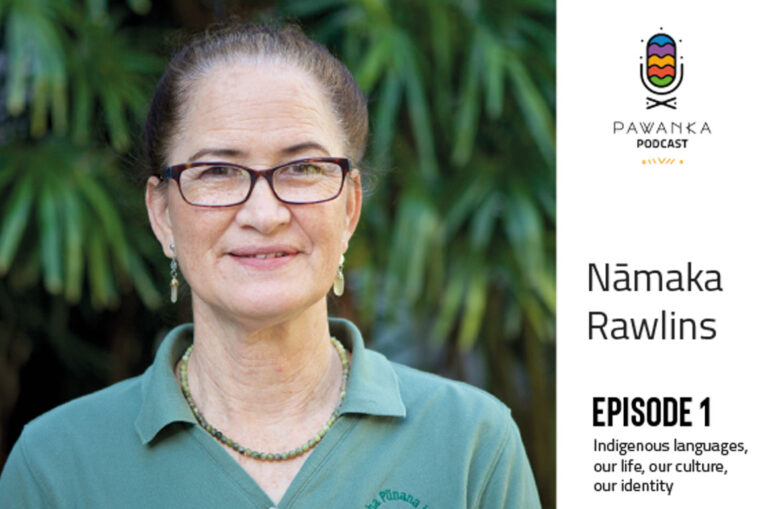
Pawanka Podcast – Episodio 1
In our first episode we have as guest, Namaka Rawlins, Nāmaka, originally from Hawaii . All her life she has fought for the revitalization of the Hawaiian language. Namaka has always believed in education as a means of preserving native languages Listen on Listen on web:
Subscribe to our Podcast
Hello and welcome to the Pawanka podcast! This space has been created to share the knowledge of indigenous peoples through stories and interviews from around the world. Pawanka is an indigenous-led fund that supports indigenous peoples’ initiatives dedicated to promoting and protecting traditional knowledge, wellbeing, rights and self-determined development. Subscribe to web version
Indigenous languages, our life, our culture, our identity
Language is more than a means of communication, it is nature and the world we inhabit, it is collectivity, it is being part of a community, of a history. Language is the possibility of sharing a cosmovision, of giving continuity to our ancestors and sharing knowledge, recipes, wisdom, sensations and emotions. It is the soul
Behind Pawanka, There is a Great History
Eight years ago, in the midst of the United Nations World Conference on Indigenous Peoples, Pawanka Fund was born as a Fund for indigenous ways of knowing and learning. Throughout its existence, it has built relationships of trust, creating networks and promoting the articulation between local and global processes. With the direction of a Guiding
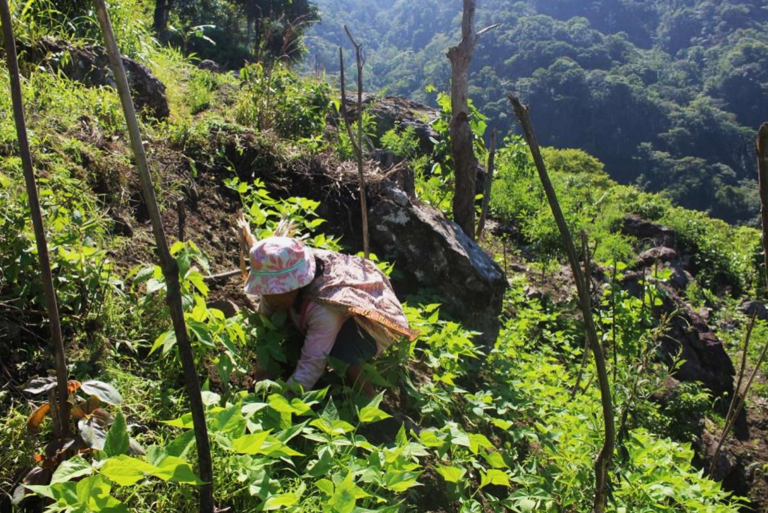
Swidden Cultivation in Gawaan, Balbalan and Limos, Pinukpuk, Kalinga
With the objective of documenting environmentally sound and detrimental practices in the farming of swiddens – known as kaingin in most parts of Luzon and uma in Northern Luzon – we conducted interviews with key informants and case respondents, and did some photo and video documentation in two sample barangay within the Kalinga culture area: Gawaan in the municipality
Traditional peoples hold key to healthy ecosystems, Vatican official says
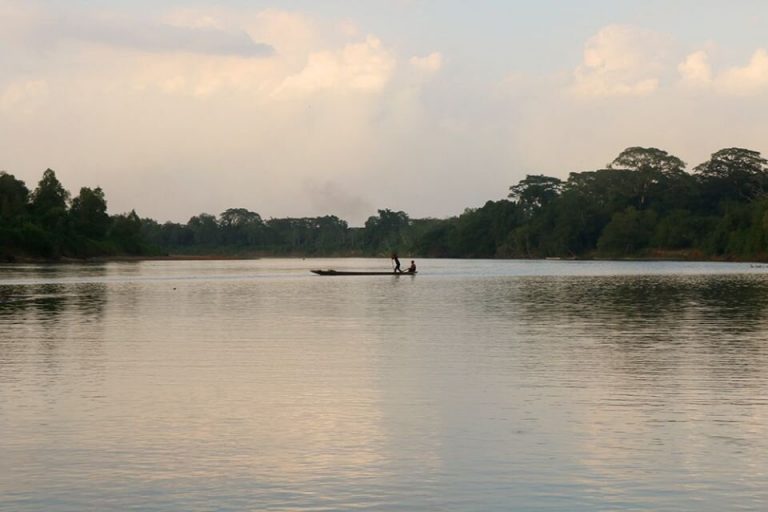
by Barbara Fraser The Earth’s warming temperatures are having a disproportionate negative impact on Indigenous peoples, those of African descent and migrants, but their ancestral wisdom is essential to efforts to reduce the impacts of climate change and preserve biodiversity, a top Vatican official said. Speaking at a virtual conference May 27 sponsored by the Vatican
Indigenous women hold up half of the sky in climate change
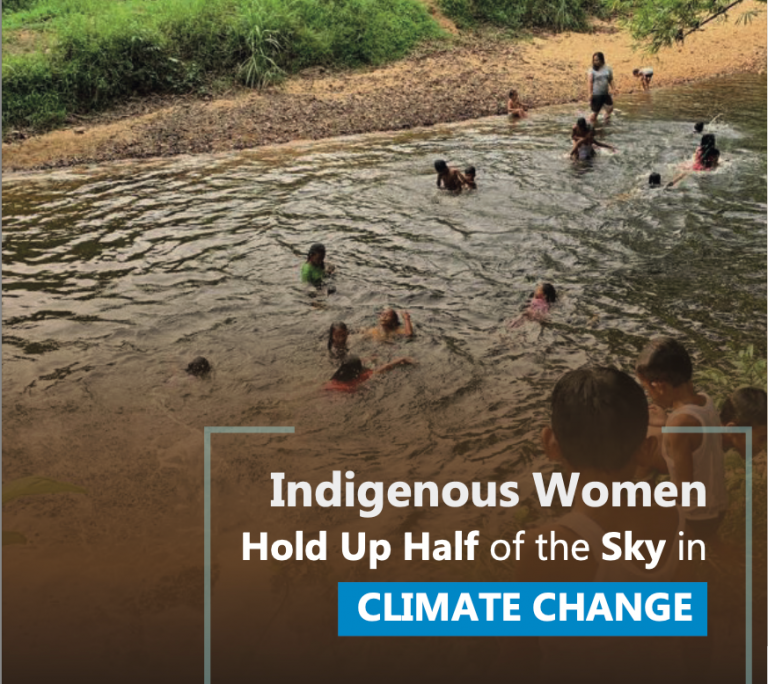
In an indigenous community in Landak Regency, West Kalimantan, Indonesia, 22 year-old Mini Lestari had just completed her participation in a project. She shared her realizations thus, “A lot of changes were happening; nature was not as it used to be. Dry and rainy seasons would come erratically, making it difficult for us to start