






El derecho consuetudinario es la base para resolver los problemas del territorio
En el distrito de Sanggau, en la provincia indonesia de Kalimantan Occidental, más de 6.000 indígenas Iban Sebaruk, participaron en el proyecto del Instituto Dayakologi para fortalecer sus instituciones consuetudinarias y conseguir un sistema de derecho consuetudinario eficaz y creíble. Comenzaron con una evaluación de la Administración Consuetudinaria Iban Sebaruk como máxima autoridad legal de

Mayangna Sauni Gobernanza Territorial
This video showcases the territory of the Mayangna nation. This was shared by Eloy Frank Gómez from the Sumu Mayangna Nation, Nicaragua during the #UNPFII Side event: “Wayfinders Circle: good practices on Indigenous self-determination, revitalization of customary systems and collective territorial management” organized by Pawanka Fund last April 27, 2021.
Customary law is the basis for solving territorial problems
In Sanggau District, West Kalimantan Province in Indonesia, more than 6,000 indigenous Iban Sebaruk people were involved in Institut Dayakologi’s project to strengthen their customary institution for an effective and credible customary law system. They began with an assessment of the Iban Sebaruk Customary Administration as the highest legal authority of the indigenous territories under
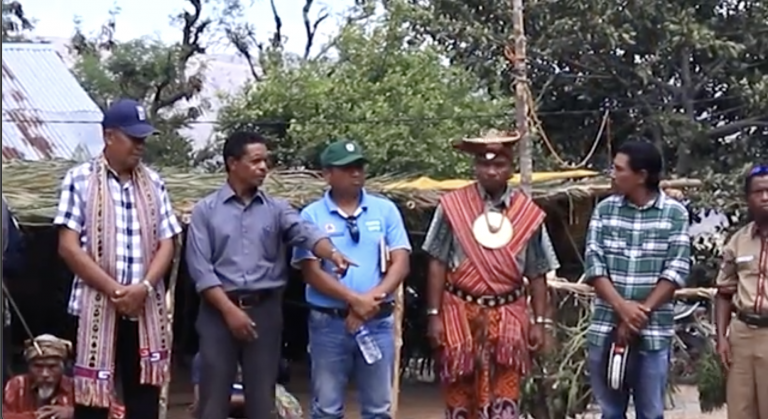
Cultural Ceremony: Tara Bandu
Tara Bandu is defined as a “traditional Timorese custom that enforces peace and reconciliation through the power of public agreement to define social norms and practices to a given community”. Video produced by Juventud Covalima based in Timor Leste which is a partner of Pawanka Fund. This video was shown during the #UNPFII side event:
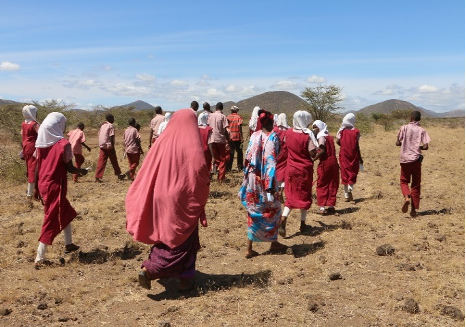
Communities Adapt to Climate Change and Bridge Generational and Cultural Gaps
The arid and semi-arid lands of northern Kenya are home to diverse ethnic groups whose cultures have evolved with the natural environment marked by low rainfall and drought resulting from climate change. The Gabbra, Boran, Saakuyye, Daasanach, El-Molo, Rendille, Samburu, Turkana, Wayu and the Somali communities are nomadic pastoralists who herd camels, cattle, sheep and
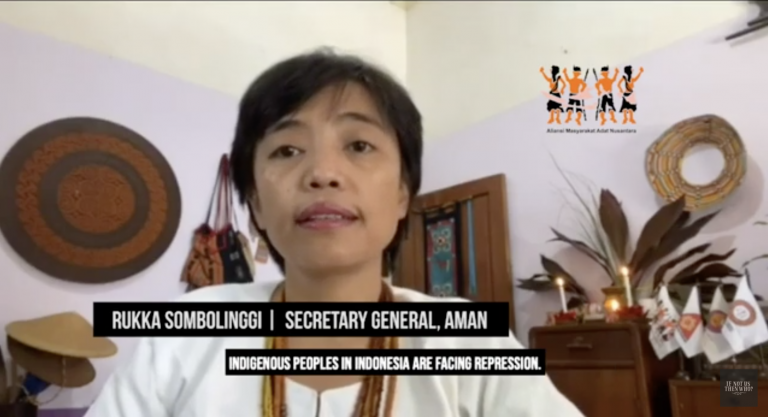
Statement on the threats to Indigenous communities in Indonesia|Rukka Sombolinggi
Rukka Sombolinggi, Secretary-General of Aliansi Masyarakat Adat Nusantara (AMAN), gives a statement on how the COVID-19 pandemic has exasperated existing threats to land rights and heightened conflicts and criminalization of Indigenous peoples in Indonesia. Detailing resilience tactics, she shares hope which is now crucial in the fight against the new omnibus bill. Source: If Not

Indigenous peoples by far the best guardians of forests – UN report
Preserving Latin America’s forests is vital to fight the climate crisis and deforestation is lower in indigenous territories By Damian Carrington The embattled indigenous peoples of Latin America are by far the best guardians of the regions’ forests, according to a UN report, with deforestation rates up to 50% lower in their territories than elsewhere.
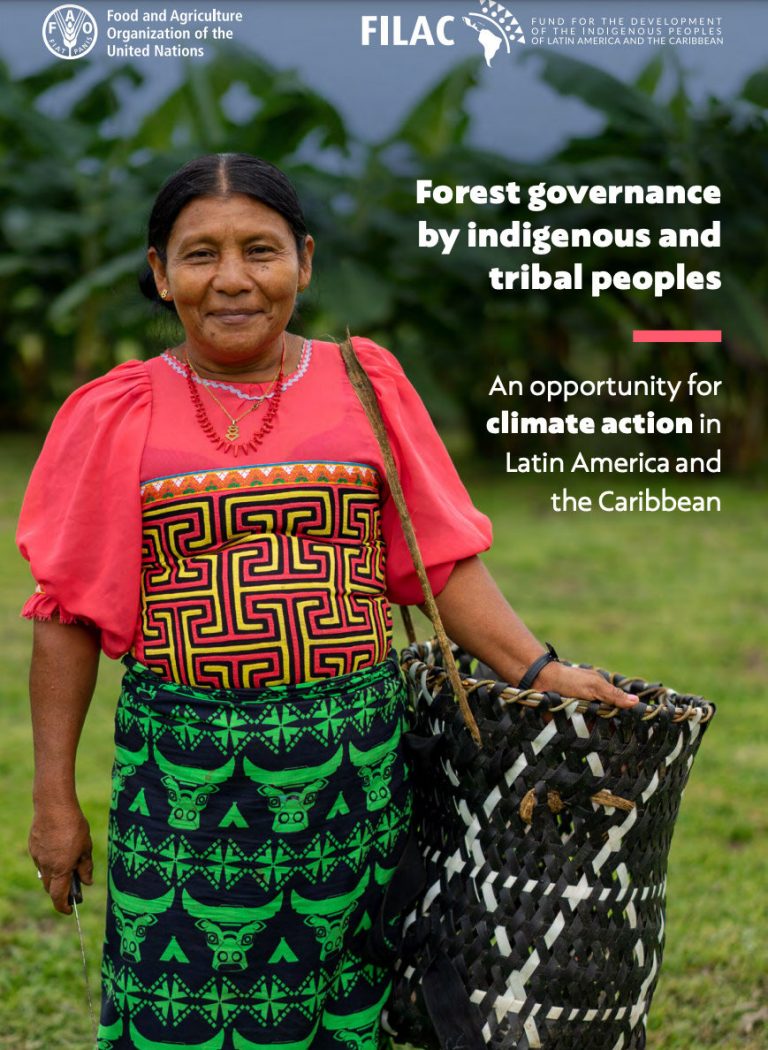
Forest governance by indigenous and tribal peoples.
Forest governance by indigenous and tribal peoples. An opportunity for climate action in Latin America and the Caribbean Abstract: The document summarizes the report that, based on a review of more than 250 studies, demonstrates the importance and urgency of climate action to protect the forests of the indigenous and tribal territories of Latin America
Revivir una lengua
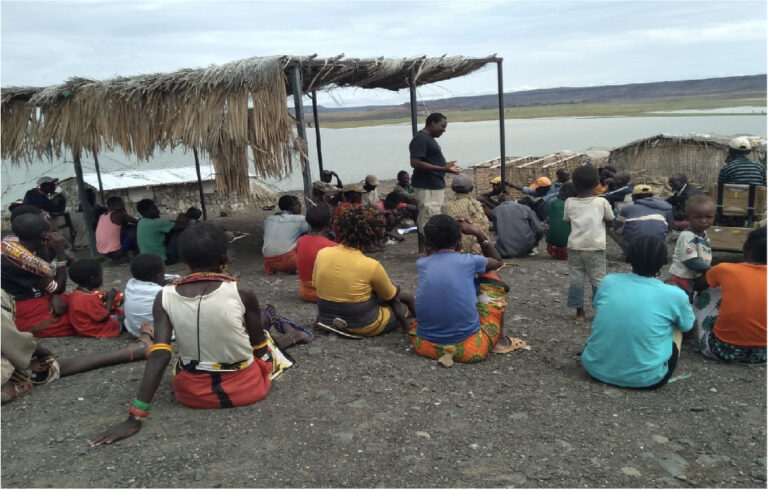
KENYA ¿Qué haría una comunidad si un día se diera cuenta de que su lengua podría desaparecer para siempre y con ella la memoria y la historia de su tribu? Este fue el reto que asumió el grupo Gurapau del condado de Marsabit (Kenia) para evitar que su lengua, El-molo, cayera en el olvido. El
Reviving a Language
KENYA What would a community do if it one day realized that their language might vanish forever and with it the memory and history of their tribe? This was the challenge that the Gurapau Group in Marsabit County, Kenya, took on in order to keep their language, El-molo, from fading into oblivion. The group commenced