






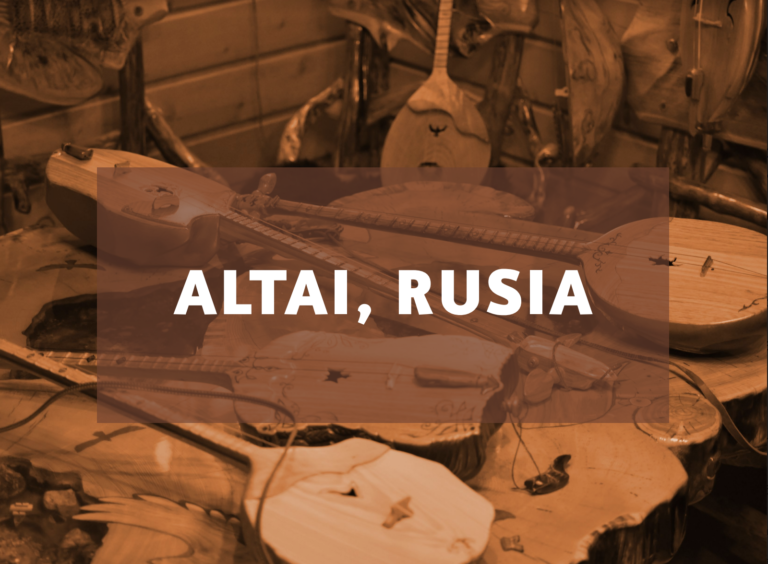
Milk as a reflection of the identity of our people
Modern life offers pre-processed foods low in nutrients, to the dietary changes is added the predominance of sedentary lifestyle and the loss of ancestral values of Indigenous Peoples. The Altai Valley has not undergone major changes due to industrial development, but it
is currently threatened by large industries, and also the emigration of inhabitants to the industrial areas located in the North, in search of sources of work.
Water is everything
Sustainable water management is currently one of the greatest global challenges, as it is fundamental for food production, ecosystem conservation and human survival. It is also a crucial part of climate change adaptation and is a determining link between societies and the environment. For the indigenous peoples worldwide, there is a unique and spiritual relationship
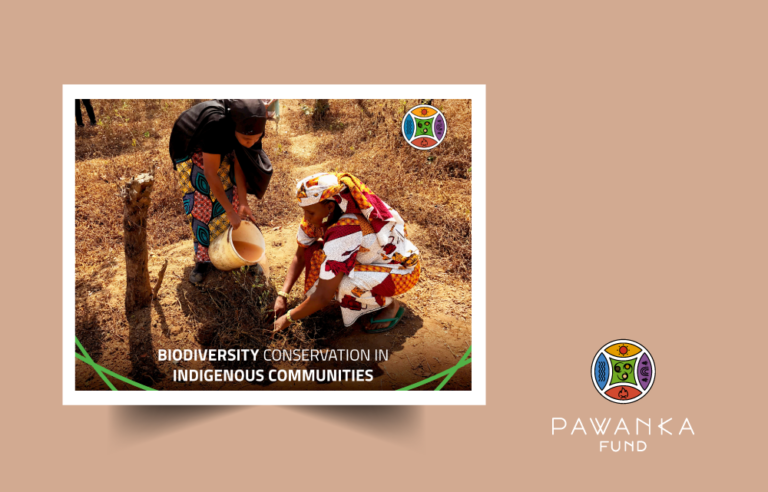
Biodiversity Conservation in Indigenous Communities
For thousands of years, indigenous peoples have used their knowledge to manage the resources of their environment in a sustainable way with a vision of the present and future. Indigenous peoples see in their habitat more than just land and resources, their territory is the link by which they obtain medicines, food, building materials and
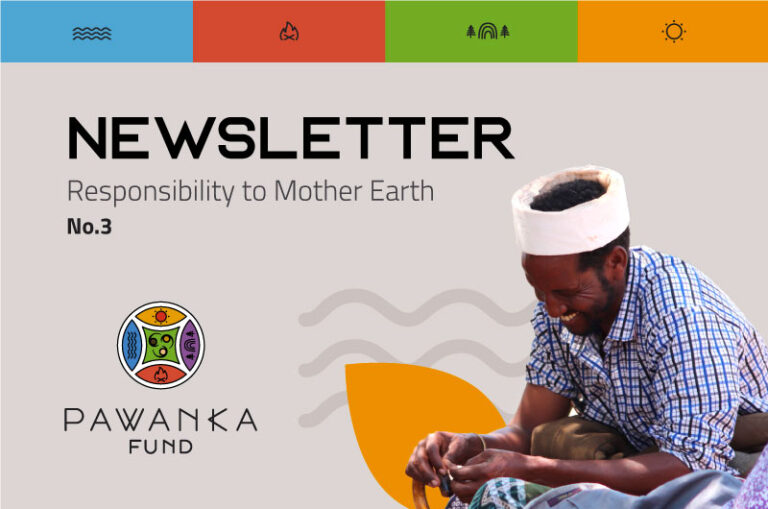
Newsletter: Responsability to Mother Earth
We share relevant information regarding our Indigenous Gobernability, the Wayfinders Circle, and other links of interest.
Newsletter: Indigenous languages, our life, our culture, our identity
We invite you to learn more about indigenous languages through our Pawanka Fund Newsletter.
Newsletter: We are Pawanka
We share knowledge about research, news, projects and everything related to the work we do with indigenous peoples.
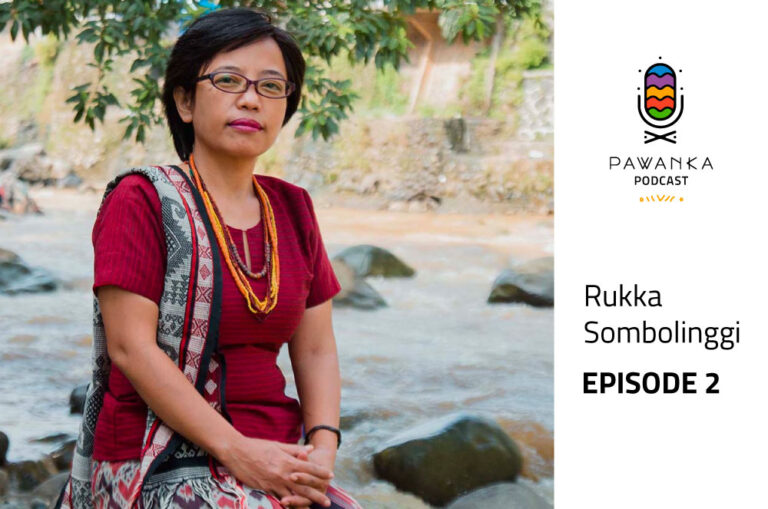
Pawanka Podcast – Episodio 2
For today’s episode our guest is Rukka Sombolinggi. Rukka is the first woman secretary general of the Indigenous Peoples Alliance of the Archipelago (AMAN), the largest indigenous peoples’ organization worldwide. Rukka has a degree from Hasanuddin University’s Faculty of Agriculture and holds a master’s degree in Political Science from Chulalongkorn University (Thailand). Listen on Listen
Learnings, from local to global / Aprendizajes desde lo local a lo global
Revaluation of indigenous languages: 7 stories in 7 sociocultural global regions Indigenous languages afford a unique way to perceive, understand, and interact with the world. Indigenous languages are complex knowledge systems that store ancestral wisdom and allow humanity to have a diversity of knowledge and ways of thinking. Despite the importance of keeping languages alive,
SAAMI VICTORY OVER FISHING RIGHTS
SAAMI VICTORY OVER FISHING RIGHTS The indigenous Saami people inhabit the northern part of the Scandinavian peninsula and a large part of the Kola peninsula: in Sweden, Norway, Finland and Russia. About 8,000 Saami live in Finland, which is about 0.16 % of the total Finnish population of about five million […] Politically, the Saami
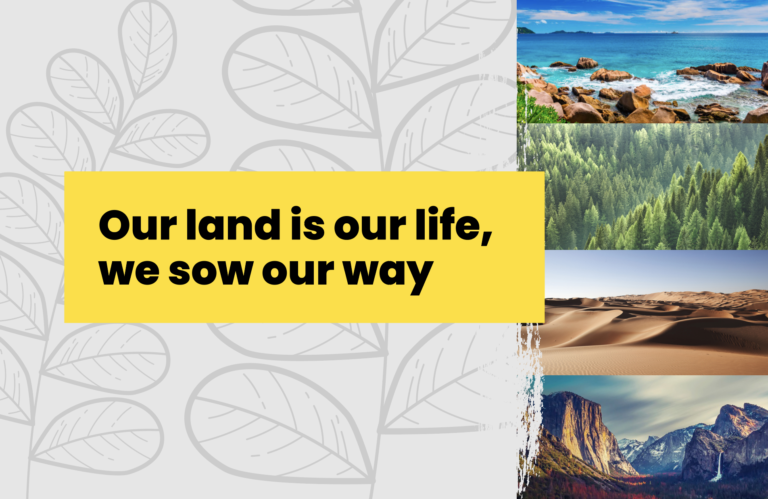
Our land is our life, we sow our way
There is less deforestation and less damage to biodiversity in areas protected by indigenous peoples. Indigenous peoples maintain an ancestral bond with their territories; their lives depend closely on the natural resources of the places where they live, where they obtain food, medicines, construction materials, and where they develop their spirituality. They see in their