






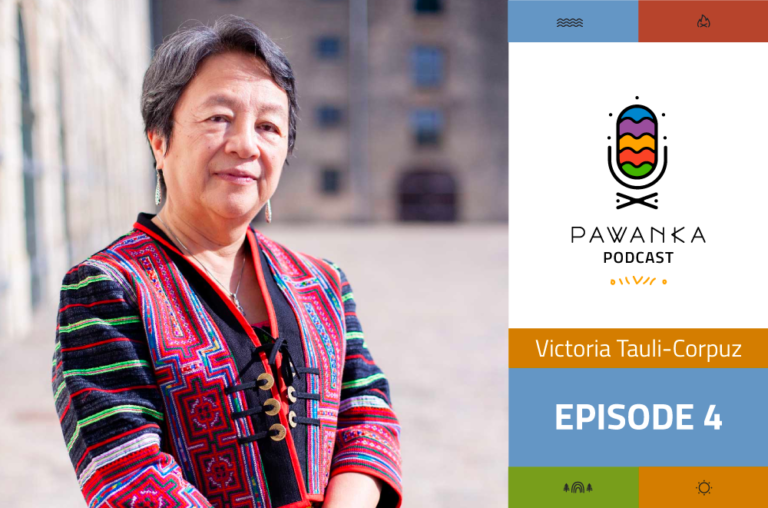
Pawanka Podcast – Episodio 4
Victoria Tauli-Corpuz was appointed as the United Nations Special Rapporteur on the rights of indigenous peoples by the Human Rights Council in 2014, and served until April 2020.
Newsletter: Climate Change
We share content of interest about the theme of the month: Climate Change
Hālau I Ka Leo Ola O Nā Mamo
Hawaii, USA Story Ancestors’ Wisdom and Poetry in Chants and Dances Sharing stories through traditional chants and dances is an important and meaningful interaction and learning process. The participants looked back with gratefulness at this project as they saw the relevance of these cultural forms breathed life to the transfer of knowledge from one generation
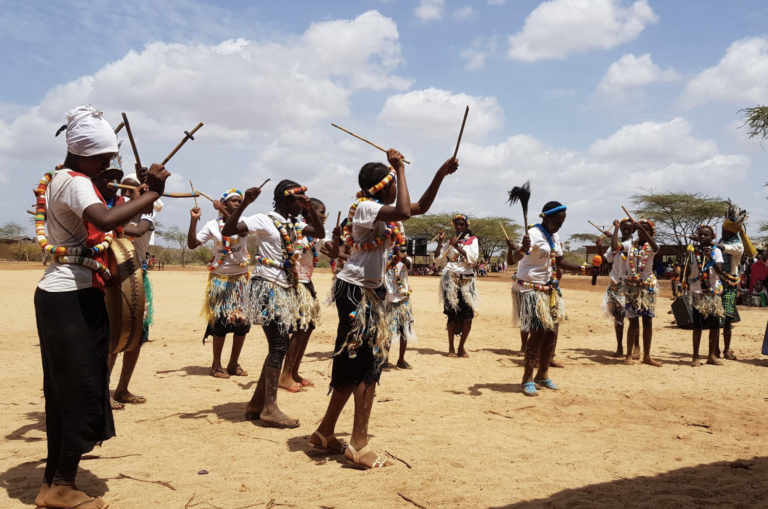
Traditional cultural expressions and folkloric aspects of Indigenous Peoples
The United Nations Declaration on the Rights of Indigenous Peoples states in Article 11: «Indigenous peoples have the right to practice and revitalize their cultural traditions and customs. This includes the right to maintain, protect and develop the past, present and future manifestations of their cultures, such as archaeological and historical sites, objects, designs, ceremonies,
Newsletter: Spirituality and Sacred Sites
We share content of interest about the theme of the month: Spirituality and Sacred Sites
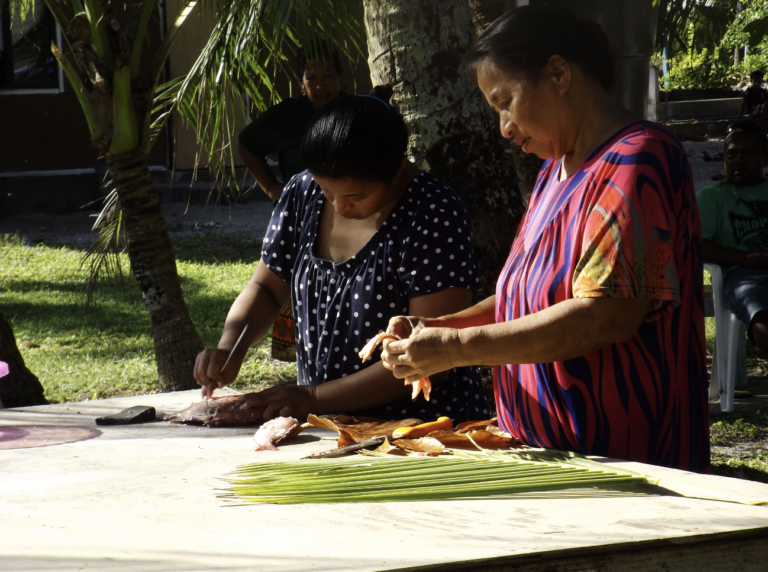
Marshallese Face up to Changing Times
There is a great wave of concern for the future of the indigenous peoples of Marshall Islands in the vast Pacific waters because of their vulnerability to the impacts of climate change and global warming. The inhabitants in the atolls have seen rising sea levels, inundation, severe weather patterns that cause extended drought and threaten
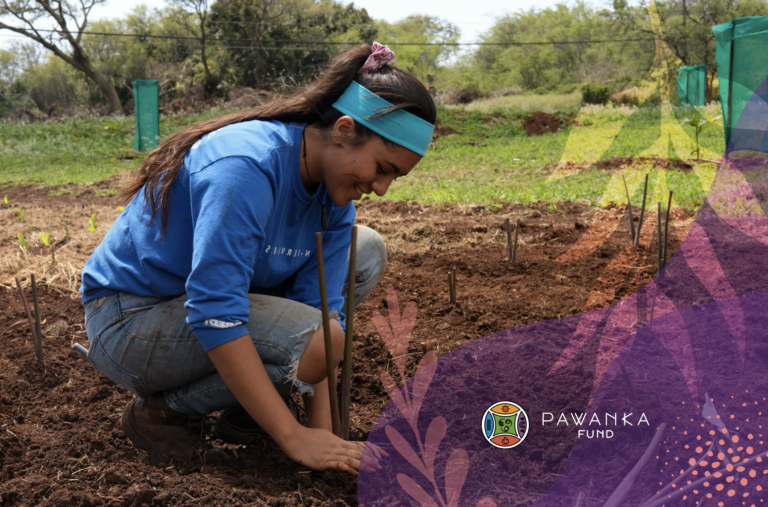
Climate Change
According to the latest report of the UN Intergovernmental Panel on Climate Change, switching to renewable energies instead of fossil fuels is the way to limit the most severe effects of climate change in the world, if urgent action is not taken, humanity will fail to limit warming and probably by 2030 will experience numerous
Newsletter: Indigenous Food Systems
We share content of interest about the theme of the month: Community Leadership
THE MISKITUS’ CELEBRATION OF LIFE AND DEATH
The Miskitu ancestral territory in the North Caribbean Coast of Nicaragua is a site of magic and wisdom. Here, Avelino Cox, a native of the Wangky or Coco River, was born. As a boy, he accompanied his grandparents all over the territory where he heard stories and learned about the life and traditions of his
Spirituality and Sacred Sites
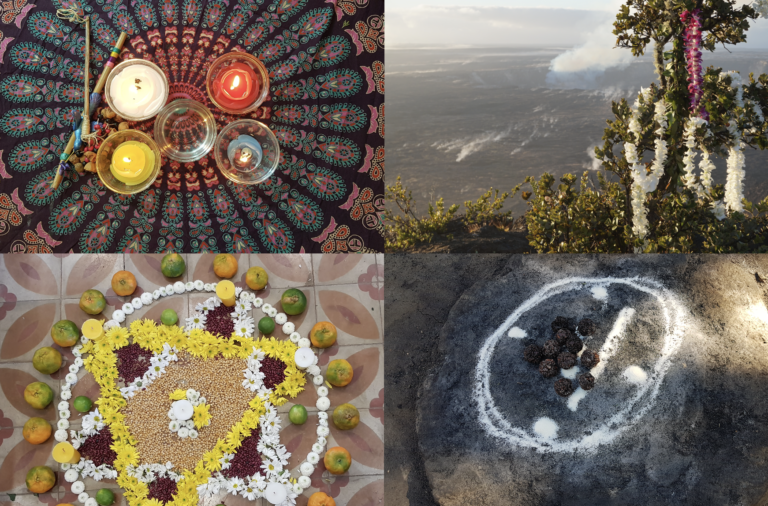
Spirituality and sacred sites are different in each Indigenous People and is a fundamental part of their identity since they are knowledge and teachings that were transmitted from generation to generation. It manifests itself above all in people’s daily lives, in their relationships with the land, forests and ecosystems, in all their relationships with nature