






Revisiting the Chin Customary Law
The Chin Hills Regulation (1896) was the basis of the enactment of the Chin Act in 1948 which was also the year of Burma’s Independence. The enactment was to recognize and promote the Chin traditional customs and culture. After 65 years, the State Assembly of Chin State (Union of Burma) initiated a review of the
The miskitus’ celebration of life and death
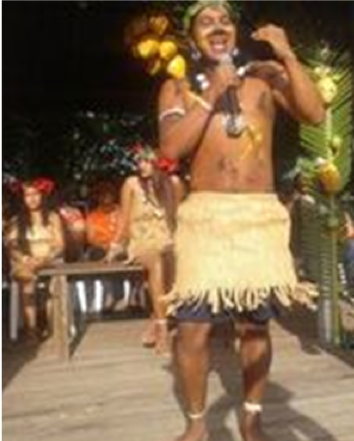
The Miskitu people’s ancestral territory in the North Caribbean Coast of Nicaragua is a site of magic and wisdom. Here, Avelino Cox, a native of the Wangky or Coco River, was born. As a boy, he accompanied his grandparents all over the territory where he heard stories and learned about the life and traditions of
Education Through Action
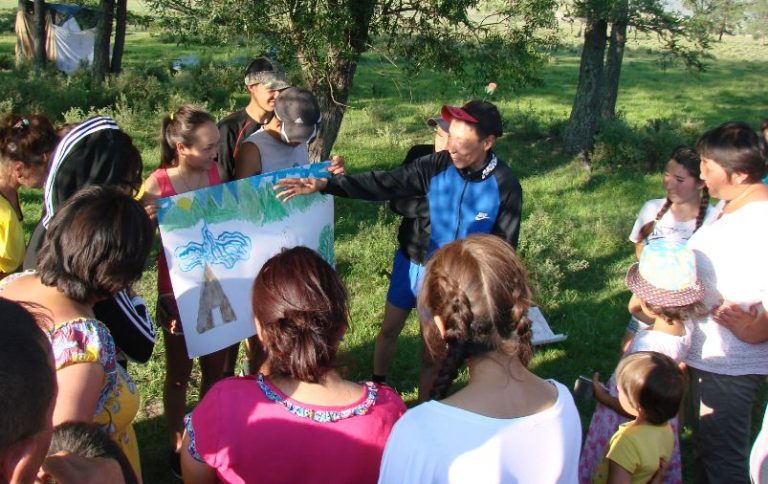
To sow the seeds of cultural awareness among the children is to prepare them to stand firmly on their tradition and indigenous identity. This is what the Partnership for Culture-creating Schools of Altai in Russia embarked on with their Education Through Action project which focused on the sacred Karakol Valley. Through a film showing (“Standing
Indigenous Knowledge is Woven by Women in Traditional Handicrafts
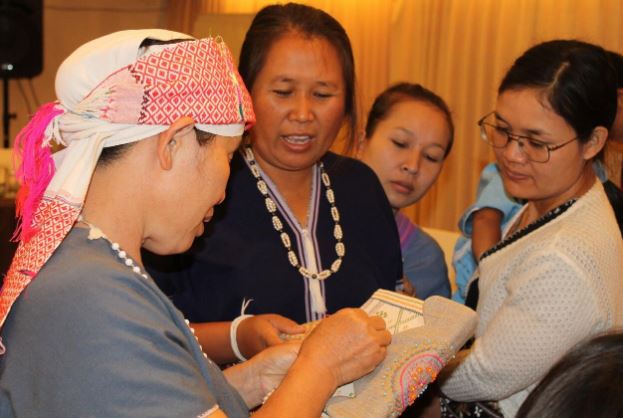
“This is the project that I have been waiting for so long!” Mrs. Peenee Moonkul, a Karen leader and Chairperson of a weaving group in Maewang district, Chiang Mai, Thailand expressed the sentiments of the participants in the project of the Indigenous Women’s Network in Thailand (IWNT) which aimed to highlight indigenous knowledge designed and
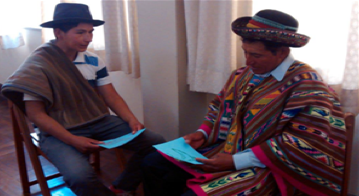
The knowledge of the Peruvian elders
«It is worth dreaming of,» were the thoughts of the Palotes of Quechua, Aymara and Shipibo indigenous groups and members of a network of Indigenous Youth. They had experienced and suffered discrimination for speaking, dressing, dancing, singing or eating differently. In one of the last meetings of the network, they had expressed, «Our vision, conviction
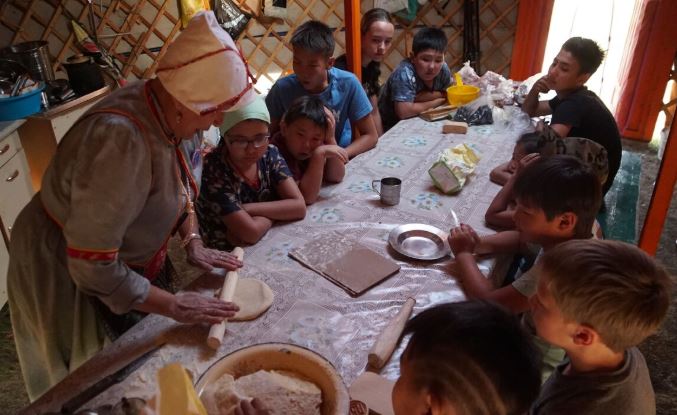
Nomadic School of Traditional Knowledge and Creativity
The Buryats who number approximately half a million, are one of the largest indigenous peoples of Inner Asia. They have a rich and ancient culture with their history, spirituality, worldview, lifeways and a shared landscape. However, during the past century, the Buryats as a nation have experienced disturbances and disruptions that continue to threaten them
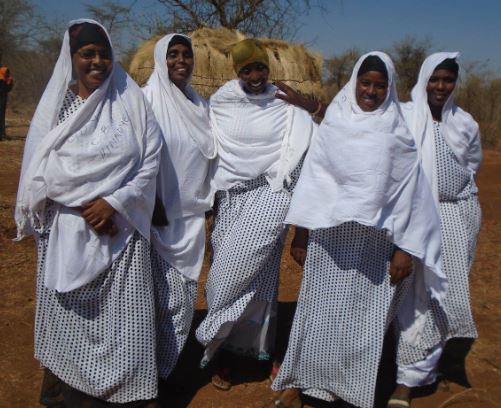
Reviving Traditions through Arts and Culture
There is no better way to revitalize and promote cultural heritage and cultural rights; transmit indigenous knowledge and build peace than through innovative artistic expressions and explorations. The Guyasa CBO embarked on this endeavour and reaped valuable results in Isiolo, in northern Kenya, particularly in Kinna community which is mainly occupied by the pastoralist Waso
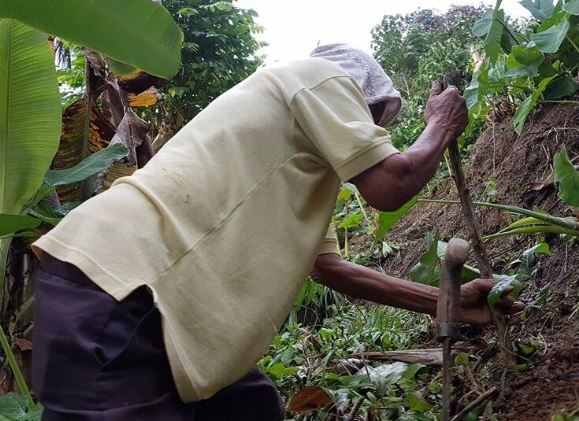
A Tribe Protects their Sacred Forest and Strengthens Traditional Knowledge to Enhance Climate Resilience
The Mandaya tribe in Barangay Calapagan, Lupon, Davao Oriental in Southern Philippines noted that some of their indigenous ways and practices that are beneficial to their community have been lost with time, such as the ligad and pasoot, which ensure food security. Ligad means “on the side” where the farmer plants root crops or vegetables
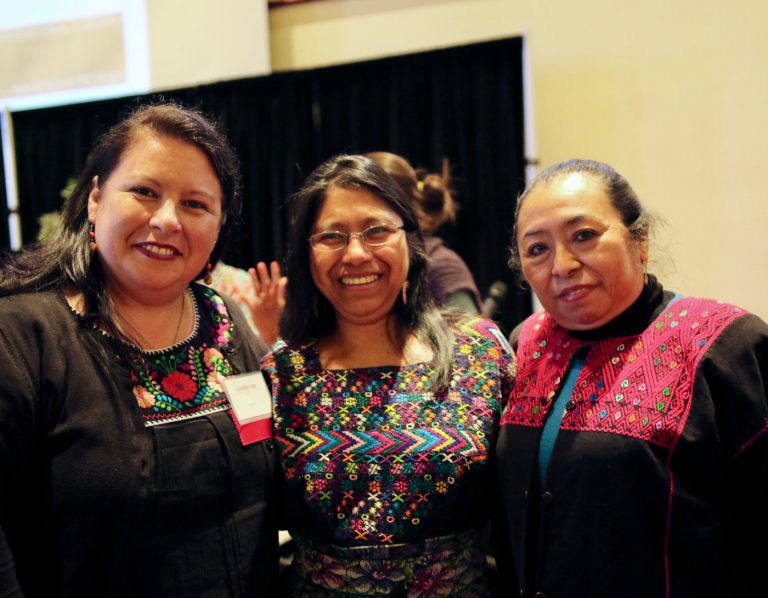
Bolstering Indigenous Philanthropy: The Responsible Way Forward
Blog by Lourdes Inga According to the United Nations there are an estimated 370 million indigenous people in the world, living across 90 countries. Indigenous communities are present in all geographic regions and represent 5,000 different cultures. There is a growing understanding by the global community that indigenous lands and waters represent 80 percent of the
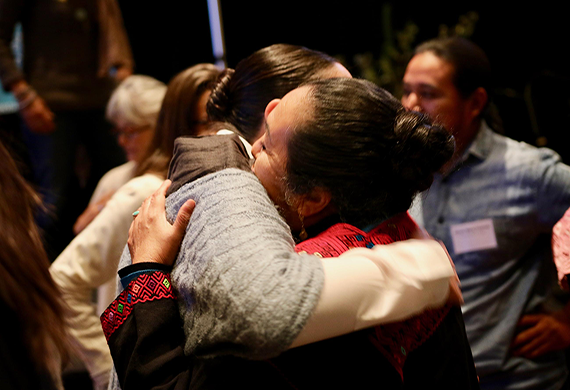
Indigenous Funds Lead the Way to Decolonize Philanthropy
By Rucha Chitnis Institutional philanthropy, in a nutshell, is a Western construct. Often it can seem transactional, likened to a business deal when funders strategize about returns on investment and the ever-present question of scale. Wealth remains in the hands of few, who are disconnected from the realities of Indigenous communities fighting oil pipelines, extracted