






Newsletter: Community Leadership
We share content of interest about the theme of the month: Community Leadership
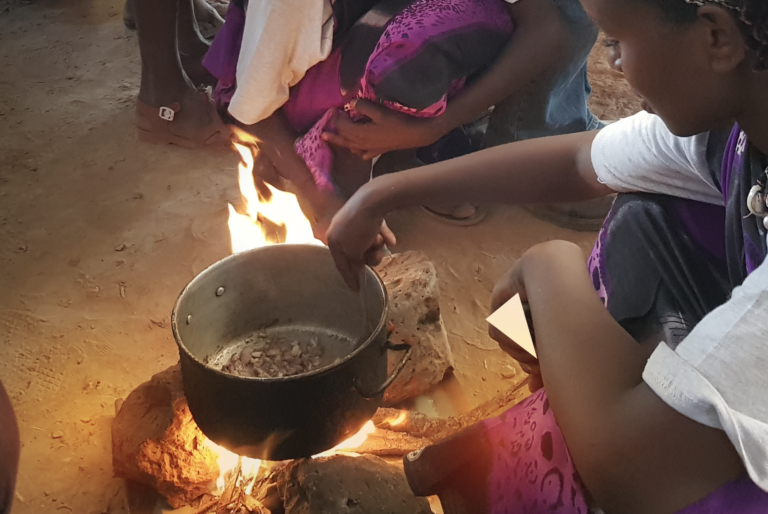
Indigenous Food Systems
Given their high degree of self-sufficiency, it is essential to secure and preserve Indigenous Peoples’ food systems to ensure the food security of 476 million Indigenous people around the world1. The traditional food systems of Indigenous Peoples are sustainable because over the centuries their practices have been oriented towards the rational use of resources, which
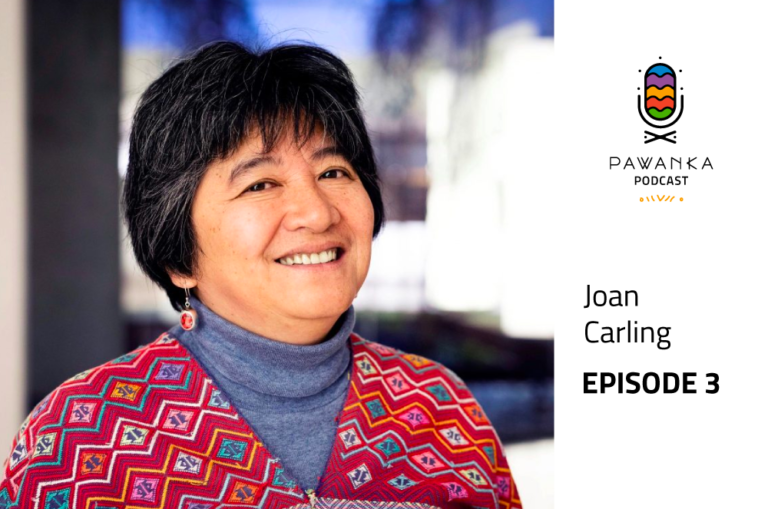
Pawanka Podcast – Episodio 3
In this meeting we have Joan Carling as a guest, an indigenous activist from the Cordillera with more than 20 years of work on indigenous issues at the international level. A podcast made by indigenous people for indigenous peoples. Listen on Listen on web:
If the grandparents, the tatas, leave, we will be without knowledge
Latin America is the most urbanized region in the world. In the last decade, already 80% of its population lived in urban areas. By 2021, 35% of the population lived in cities of 1 million or more inhabitants. The high rate of migration to cities also makes it the most unequal region in the world.
Newsletter: Water is everything
We share content of interest about the theme of the month: Water.
Si los abuelos, los tatas, se van, nos vamos a quedar
América Latina, es la región más urbanizada en el mundo. En la última década, ya el 80% de su población vivía en zonas urbanas. Mientras que, para el 2021, el 35% de la población vivía en ciudades de 1 millón o más habitantes. La alta taza de migración a las ciudades, genera también que sea
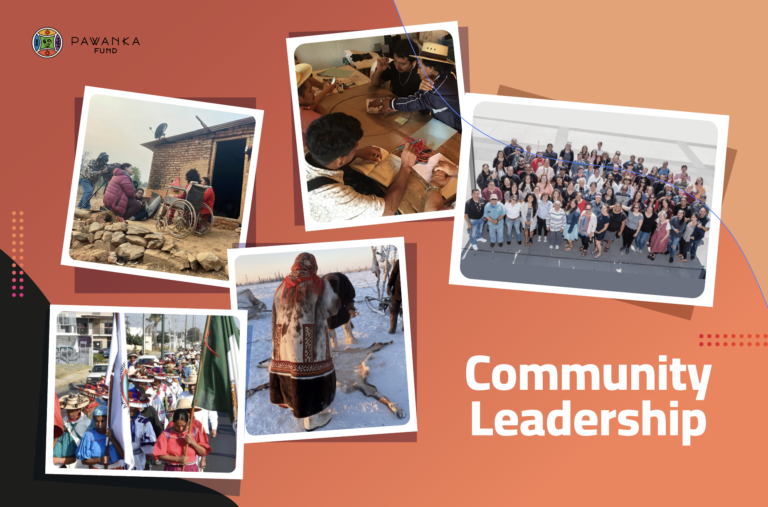
Community Leadership
Indigenous leaders are respected in their communities for their knowledge of indigenous languages, histories, ceremonies, rituals, and stories. In this sense, we start by recognizing that each indigenous people are a nation in itself and therefore has its own type of organization, leadership, and decision-making. In indigenous communities, decisions are made by consensus as part
“Rematriation is an act of returning to a life of culture, the place that corresponds to it in Mother Earth”
Indigenous Peoples perceive nature as part of their family, not as resources, so it is necessary to conduct ourselves with respect to it if we want to survive here on earth.
Our story is based on a new concept that focuses on indigenous knowledge focused on women, which was created by indigenous women in North America and is also being implemented in Africa.
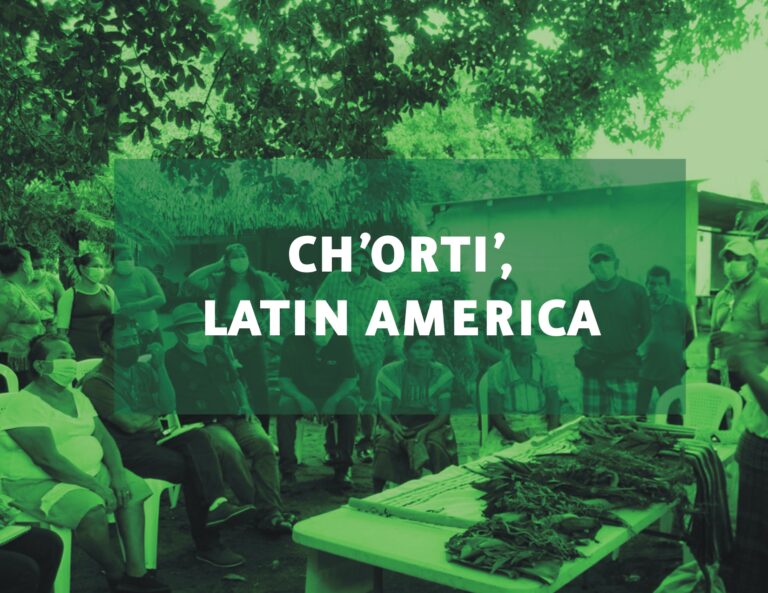
When community cohesion enables historic achievements
The territory of the Ch’orti’ people is located in the municipalities of La Unión, Zacapa, Camotán and Jocotán of the department of Chiquimula in Guatemala. With an indigenous population of 60 thousand Ch’orti’, 52 thousand Chiquimula and 8 thousand Zacapa. Three ecosystems coexist in the territory:
Þ subtropical dry forest,
Þ temperate subtropical humid forest , and
Þ temperate subtropical very humid forest.
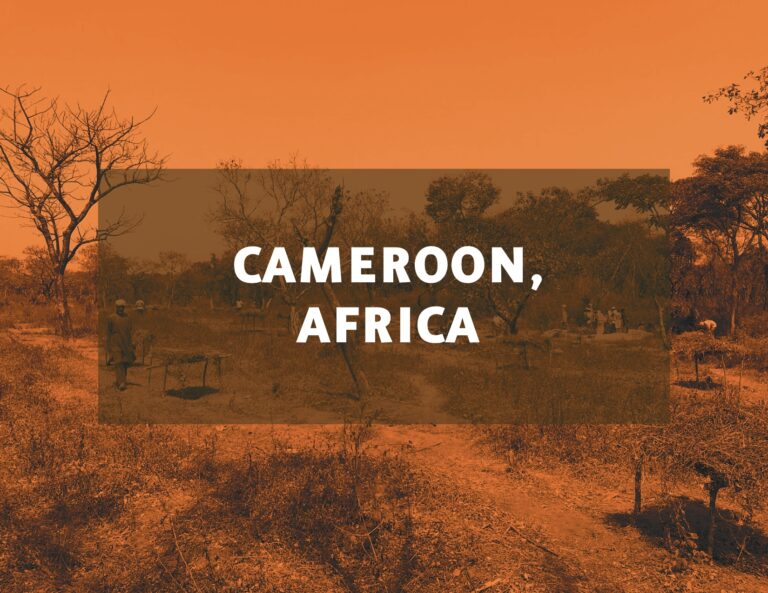
Pastoralist Women are at the Frontline of Biodiversity Conservation
According to Corinne Moser,
Rainforest Alliance’s senior manager of landscapes and livelihoods in the Congo Basin, “Deforestation and forest degradation are the biggest threats to the health of the Congo Basin, including Cameroon, as forests store large amounts of carbon and provide essential ecosystem services such as biodiversity conservation, the regulation of the water cycle and the provision of wildlife habitats”.