






Respecting Land, Indigenous Culture, and Human Creativity
By Amy Beck RSF’S AMY BECK SPEAKS WITH MARIANA LOPEZ OF PAWANKA FUND AND ALAN ZULCH OF TAMALPAIS TRUST ABOUT WORKING TOGETHER TO SUPPORT INDIGENOUS PEOPLES AROUND THE GLOBE. Amy: Could each of you tell me about yourself and your current work to build a more equitable economy? Mariana: I’m the Program Director for the Pawanka Fund which started
Empower indigenous women, strengthen communities
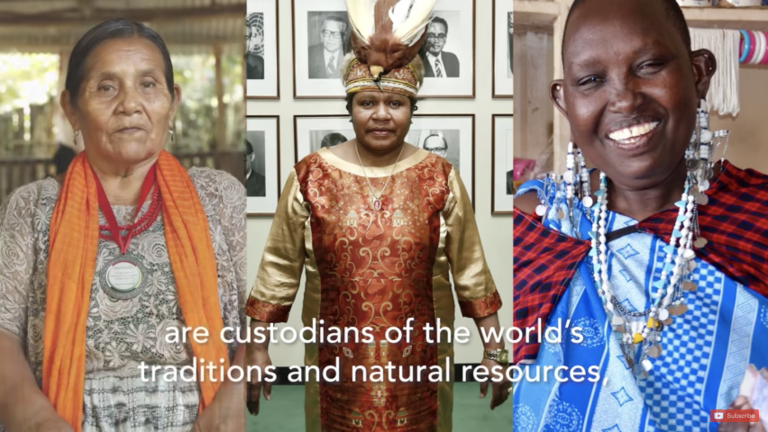
Indigenous women are custodians of their communities’ traditions and natural resources, but they are also among the world’s most vulnerable and marginalized peoples. On International Day of Indigenous Peoples, learn more about the challenges indigenous women face, and how they play key roles in their communities and countries, and contribute to peace building and sustainable
El conocimiento tradicional es una herramienta para la resiliencia y la seguridad alimentaria
Una historia desde Bangladesh Los jumia/jhumia son cultivadores dedicados a la agricultura de ladera que ha sido una práctica tradicional en las colinas de Chittagong, en Bangladesh. El jum o cultivo itinerante ha sido el único medio de vida para alrededor del 50% de los agricultores marginales y sin tierra que viven en las colinas
Traditional Knowledge is Tool for Resiliency and Food Security
Bangladesh Story The jumia/jhumia are cultivators engaged in hillside agriculture which has been a traditional practice in Chittagong Hill Tracks in Bangladesh. Jum or shifting cultivation has been the only livelihood means for around 50% of the marginal and landless farmers living in the remote hills, which has been regarded by the government and some
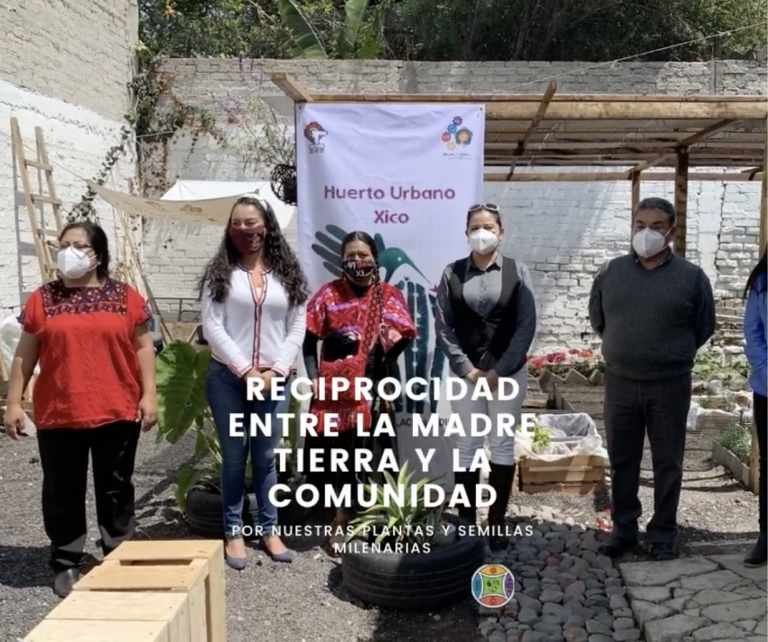
XICO Community Urban Garden: Let’s Take Care of Ourselves in Community
Because of the current health and economic crisis, indigenous women responded to combat the effects of COVID-19. An alternative for women and their families is to grow vegetables and medicinal plants. The garden is located in Valle de Chalco, Mexico. It was built in the framework of the international day of indigenous women in 2020.
Food Sovereignty from the Vision of Indigenous Youth
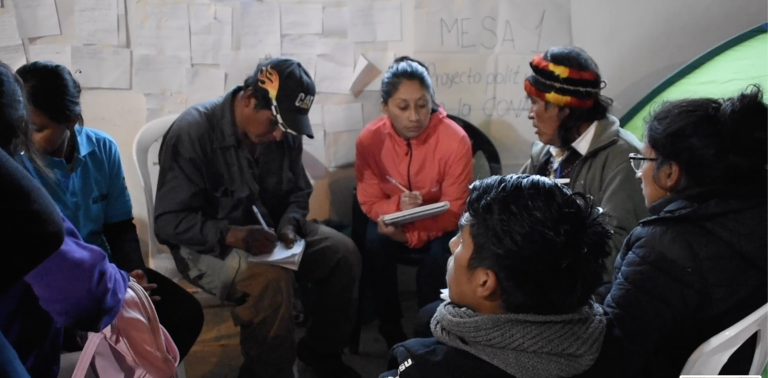
Dialogue with Indigenous Youth: How do we strengthen our food in our territories? There were working tables where young people analyzed traditional foods, and it was concluded that young people have to strengthen our own food. Young people must raise awareness about our food habits, so that traditional production systems are also maintained. We have
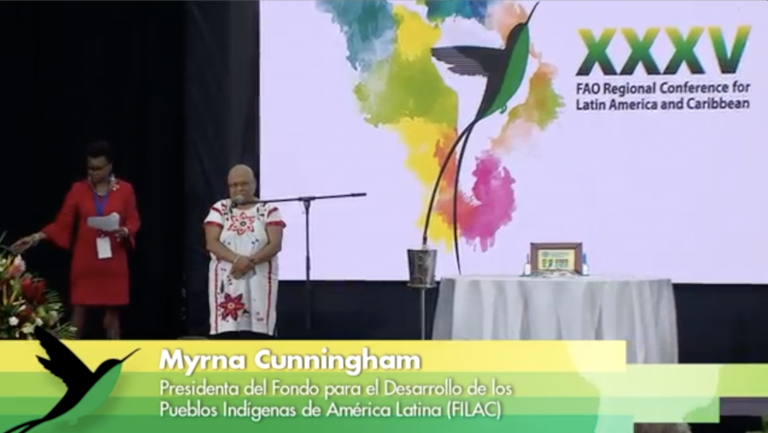
Mi Comida Mi Cultura | Food Sovereignty from the perspective of Indigenous Women
Food Sovereignty from the perspective of Indigenous Women: recovering past dialogues to build a better tomorrow. Dr. Mirna Cunningham – Ceremony of 40 years of FAO representation in LAC. May 14, 2018. Mirna: Timni Yamni (good afternoon), I greet you in the Miskitu language and I bring you greetings from the grandfathers, grandmothers, young people,
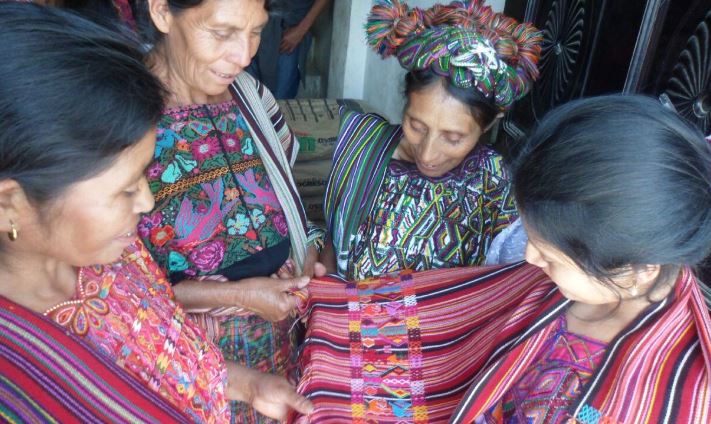
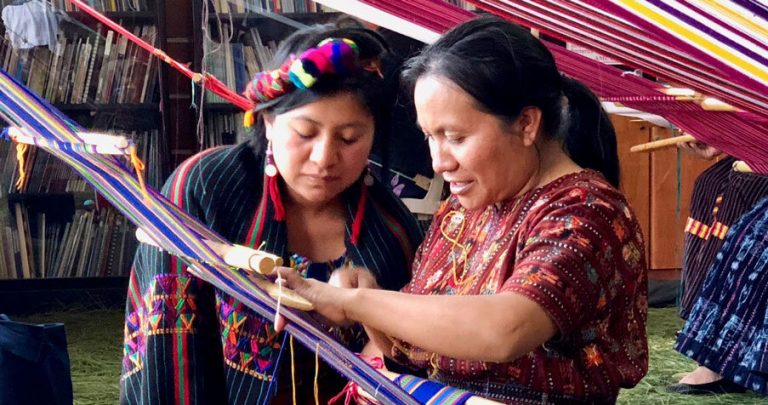
Weaving Innovation through Traditional Cultural Practices of the Ixil Women
The municipalities of San Juan Cotzal, San Gaspar Chajul, Santa María Nebaj, are known as the Ixil Triangle in Quiché, Guatemala, home to the Ixil Maya indigenous women who are known for their traditional weaving skills. To learn about their culture is to learn the intricacies, meanings, and colors of their woven materials and the
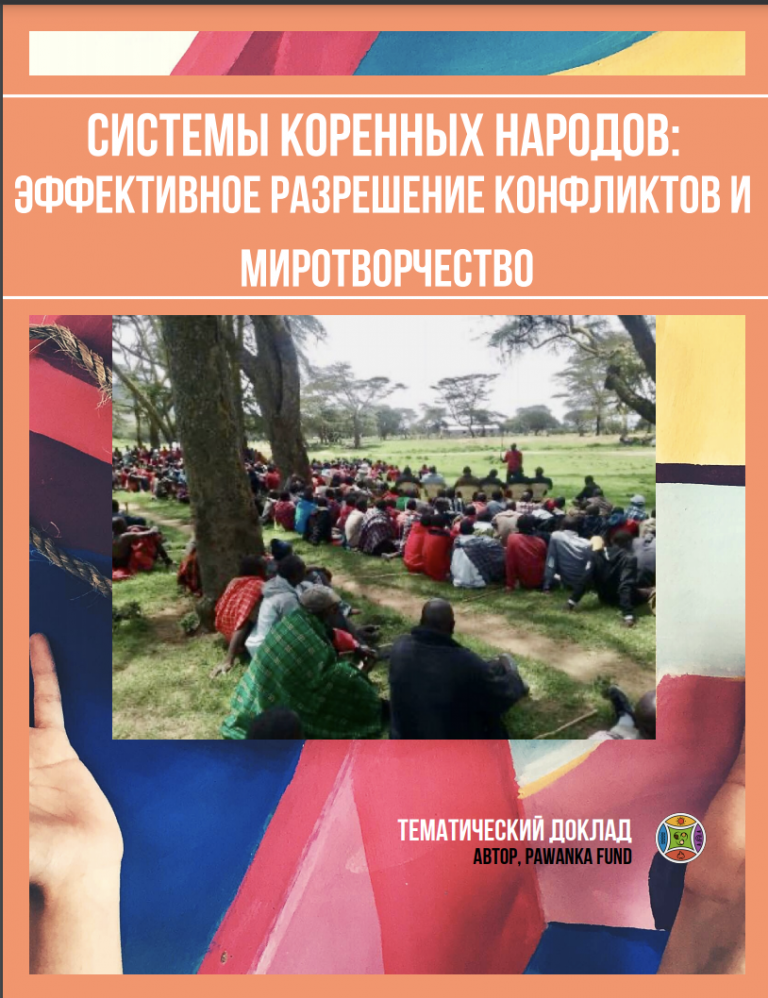
Russian version of Indigenous Systems: Effectively Resolving Conflicts and Building Peace
This publication is the Russian version of the Indigenous Systems: Effectively Resolving Conflicts and Building Peace. Download the publication here: IndigenousSystemsRussian
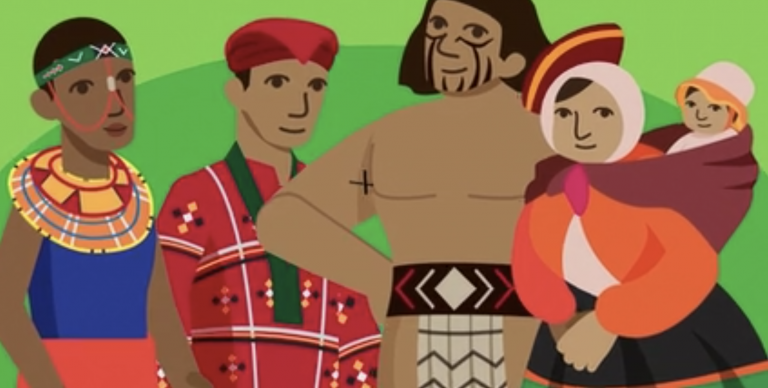
The Green Climate Fund Indigenous Peoples Policy
A video explaining about the Green Climate Fund Indigenous Peoples Policy from Tebtebba. Source: Tebtebba