






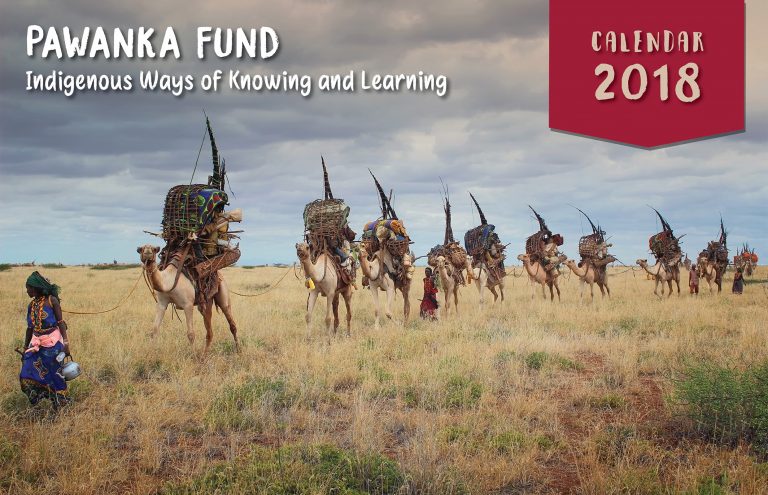
The 2018 Pawanka Calendar brings monthly Indigenous Images of Inspiration
The partners of Pawanka Fund have been doing inspiring work in promoting, protecting and enhancing traditional knowledge as integral to indigenous peoples’ culture, ways of life and innovations. Each partner has a story to tell. These include indigenous women who are struggling to keep their handicraft skills alive and vibrant, preserving seeds for food security;
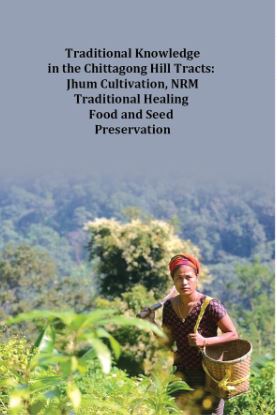
Traditional Knowledge is Tool for Resiliency and Food Security
The jumia/jhumia are cultivators engaged in hillside agriculture which has been a traditional practice in Chittagong Hill Tracks in Bangladesh. Jum or shifting cultivation has been the only livelihood means for around 50% of the marginal and landless farmers living in the remote hills, which has been regarded by the government and some sectors as
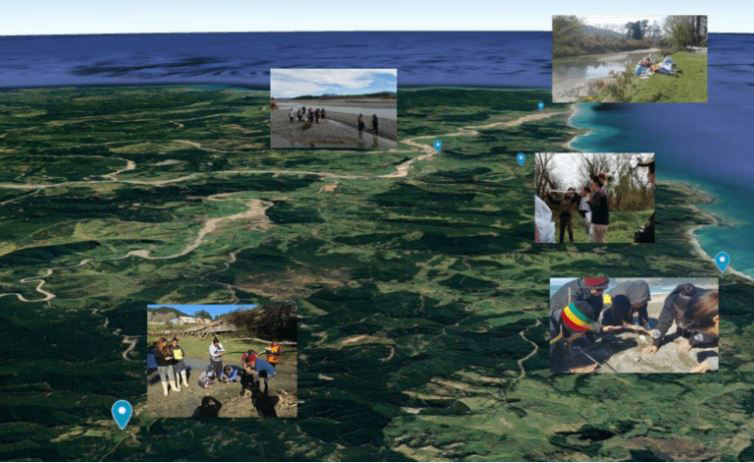
Ngāti Porou Taiao Hub
The Waiapu catchment is the sacred ancestral river of the Māori people. The symbiotic relationship of the catchment and the indigenous people’s cultural wellbeing is of primary concern. When the New Zealand government was established in 1853, and subsequent local governments were formed, the management and decision making for the freshwater and natural resources of
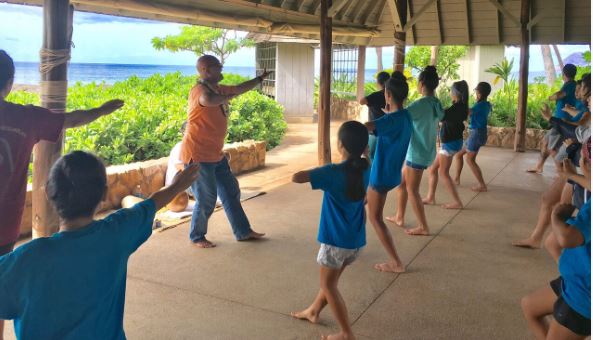
Ancestors’ Wisdom and Poetry in Chants and Dances
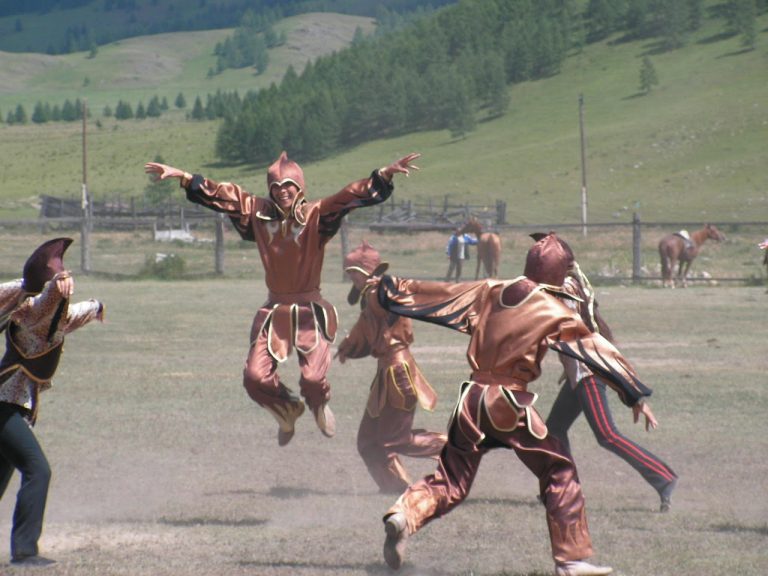
Sharing stories through traditional chants and dances is an important and meaningful interaction and learning process. The participants looked back with gratefulness at this project as they saw the relevance of these cultural forms breathed life to the transfer of knowledge from one generation to the next. In the island of Oahu in Hawaii, traditional
Traditional Markers
Article 12 of the UN Declaration on the Rights of Indigenous Peoples (UNDRIP) states that “Indigenous peoples have the right to manifest, practice, develop and teach their spiritual and religious traditions, customs and ceremonies; the right to maintain, protect, and have access in privacy to their religious and cultural sites; the right to the use
The Sculpture Garden of Native Science and Learning
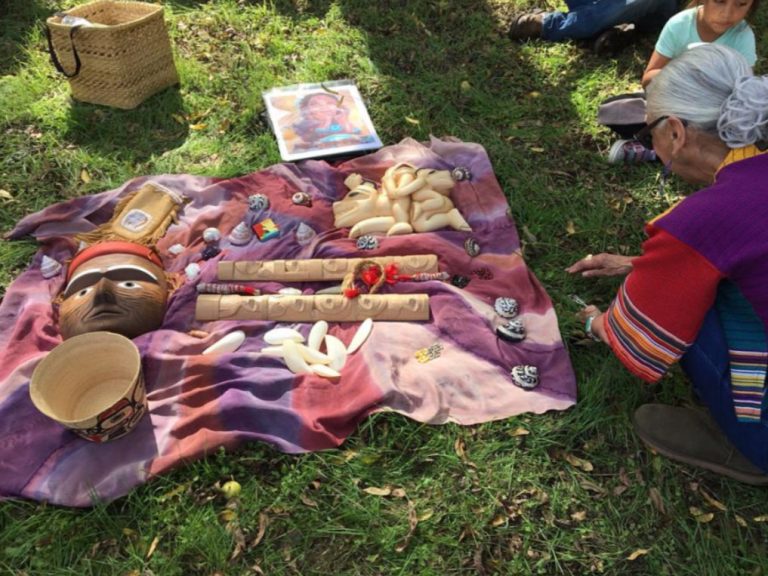
A Library of Indigenous Knowledge of Place The Indigenous peoples or First Nations of the Northwest, particularly in British Columbia are renowned for their epic wood sculpture and carvings, notably their totem poles. This artistic tradition can be traced to their ancient ways of transmitting their genealogies, cultural knowledge and native science. When a group
Tradition and Adaptation to Climate Change
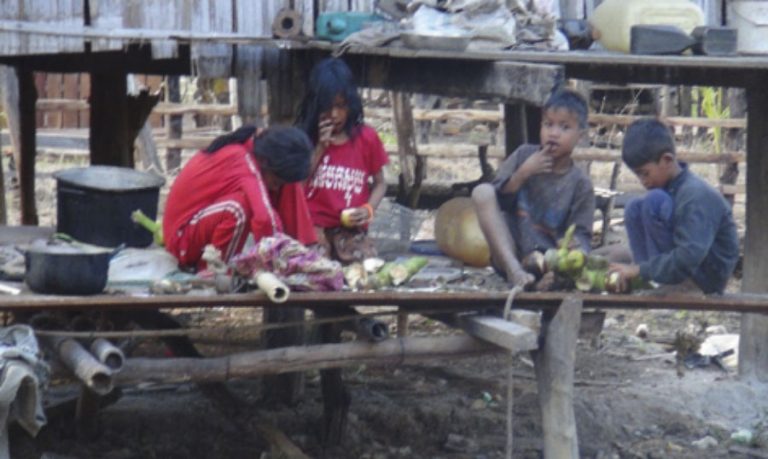
For a long time, the communities in Preah Vihear province of Cambodia were completely dependent on natural resources that provided them sufficient food and other needs. There was solidarity among the people. But in recent years, climate change caused drought, floods, storms, irregular rainfall and temperature throughout the year, severely affecting food production, cultural and
The 2019 Pawanka Calendar brings monthly indigenous images of inspiration
The partners of Pawanka Fund have been doing inspiring work in promoting, protecting and enhancing traditional knowledge as integral to indigenous peoples’ culture, ways of life and innovations. Each partner has a story to tell. The Pawanka Calendar 2019 illustrates some of the work of its partners and indigenous wisdom and thoughts to draw inspirations
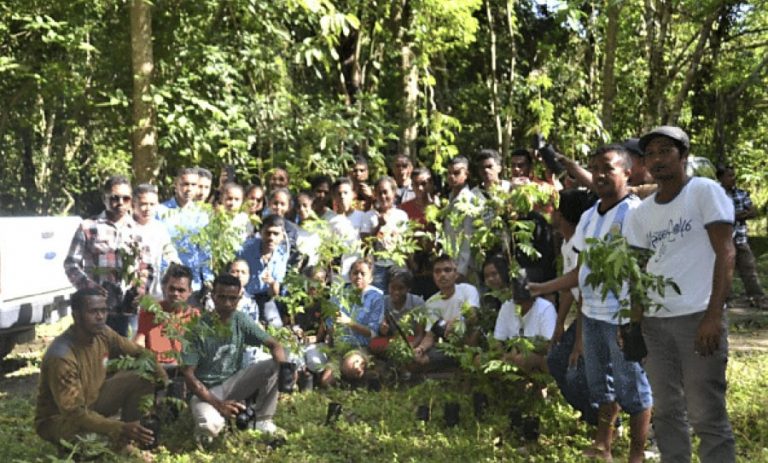
Tara Bandu, a Tradition of Sustainability
The opening ceremony had village chiefs, local authorities, forestry officers, and community leaders in attendance. The highest clan “Rai Oan” or Son of the Land led the ritual, assisted by “Uma Dato” or House of the Leader who implements the customary law, and “Lia Na’in” or Owner of the Words who, as a judicial body,
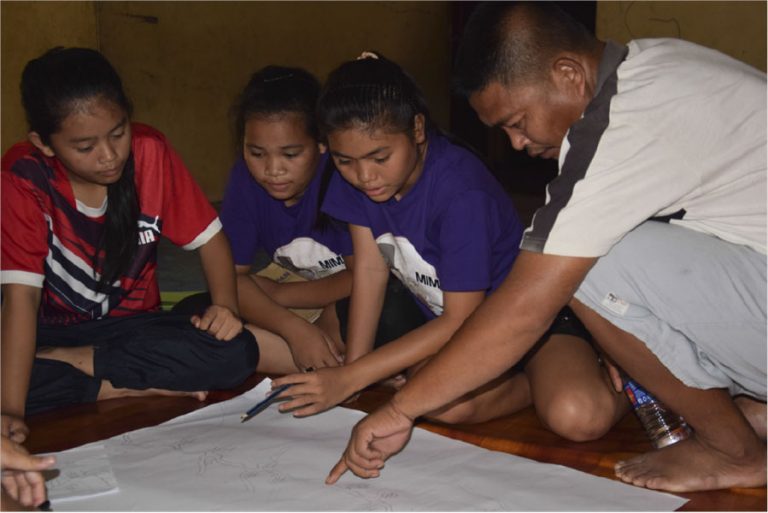
Mapping the Ancestors’ Legacy
The spirits of indigenous peoples’ forebears who nurtured their lands for many generations in the three regions of Peninsular Malaysia, Sabah and Sarawak in Malaysia must be delighted that their descendants have shown determination in safeguarding the traditional territories or wilayah adat. With its consistent advocacy for customary land rights, Jaringan Orang Asal SeMalaysia (Indigenous