





Brief Report:
AYIPN South East Asia Assembly
Big Dipper, Sagada, Mountain Province
April 26–27, 2026
Report written by Luchie Maranan
The AYIPN Southeast Asia Assembly gathered 18 Indigenous youth participants from the Philippines, Indonesia, Nepal, Malaysia, Japan, and West Papua for a Leadership and Guardianship Gathering focused on strengthening regional Indigenous youth movements. The assembly opened with a ritual by Lumad youth, followed by welcome remarks highlighting Sagada’s long history of resistance and community struggle. Pawanka Fund Program Officer for Asia Luchie Maranan celebrated the Indigenous Youths’ exuberance and energy to participate in the decades-old (42 years) commemoration of the victorious Chico dams struggle of the Igorots in the Cordillera. She encouraged the participants to fill in the long bench of leadership and learn from the pioneers of the global Indigenous Peoples movement while contributing their skills and expertise in various fields. She reminded them to remain grounded on community realities and continue the assertion of Indigenous Peoples’ rights. Participants shared expectations centered on pride in Indigenous identity, resilience, and collective action, emphasizing “the power to exist and resist.”
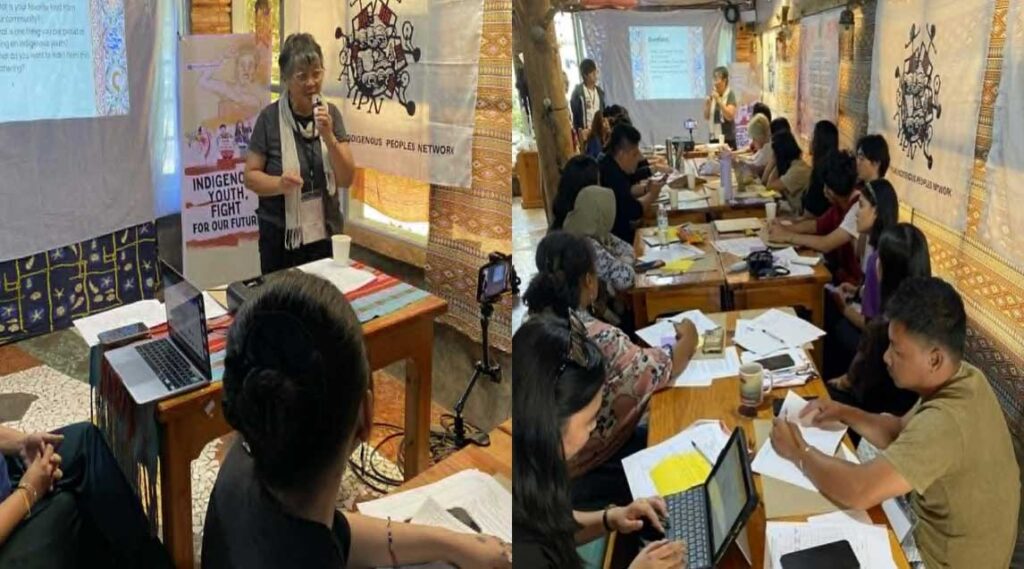
Key discussions were anchored on the state of Indigenous Peoples (IP) in Asia, including the assertion of the right to self-determination, campaigns on Free, Prior and Informed Consent (FPIC), and challenges such as Indigenous diaspora and land dispossession. The keynote emphasized that Indigenous rights are not to be requested but asserted collectively, reinforcing ongoing regional campaigns like “Land is Life.” Movement-building sessions explored the Joint Mechanism (AYIPN and Asia Indigenous Youth Platform (AIYP under AIPP), raising critical reflections on coordination, duplication, and the need for unified yet context-sensitive organizing approaches.
Country reports highlighted grassroots realities, including Indonesia’s experience where lack of government recognition and political will continues to block the passage of an Indigenous Peoples’ Bill. Youth-led initiatives such as community mapping of ancestral lands were identified as both a strategy for asserting rights and a source of tension with state authorities. Discussions also surfaced key organizing questions, particularly on mobilizing IP youth through community engagement and digital platforms.
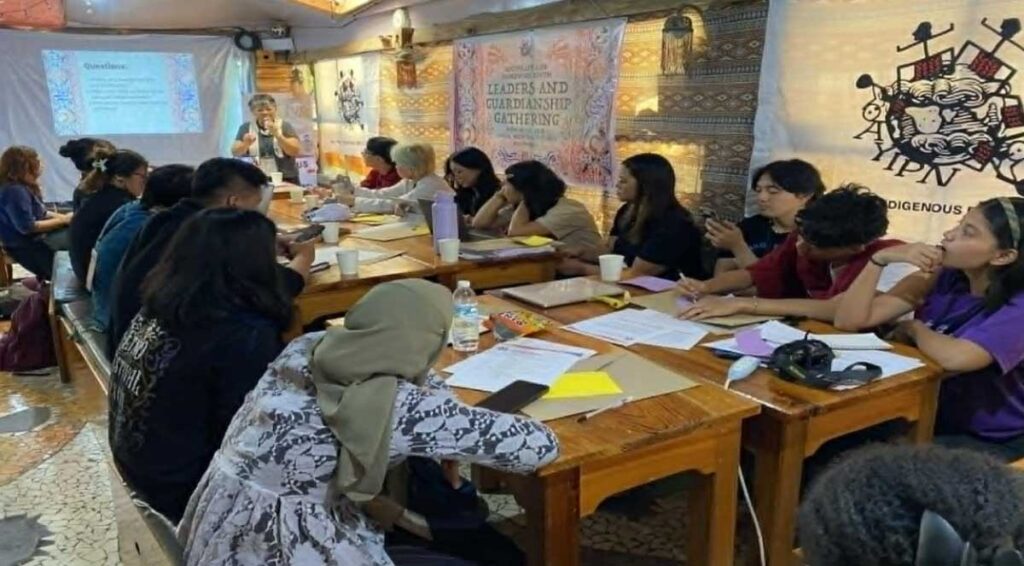
The program included keynote sessions, campaign presentations, group work, and country sharing, followed by synthesis discussions on regional priorities, strengthening network collaboration, and identifying future actions. The assembly concluded with reflections, emphasizing the importance of solidarity, sustained organizing, and youth leadership in advancing Indigenous struggles across the region.
Overall, the gathering reinforced the role of Indigenous youth as frontline defenders of land, culture, and self-determination, while strengthening regional alliances and shared strategies moving forward.
Report Submitted on April 30, 2026
