






PAWANKA PODCAST Episode 12: The Power and the Indigenous Wisdom
In this episode, we celebrate the success of the Africa Partner exchange meeting in Kenya, where the Lan Pawanka program joined 26 social organizations for a valuable exchange of wisdom and knowledge
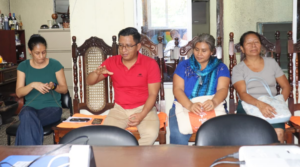
Tejiendo caminos de fortalecimiento Colectivo entre las organizaciones Indígenas de Centroamérica
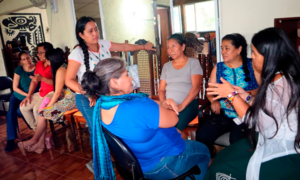
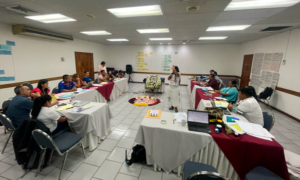
Del 1 al 4 de junio de 2026, en homenaje a la memoria de nuestro hermano y líder indígena Donald Rojas, se realizó el Taller Regional para la Actualización de la Estrategia Institucional del Consejo Indígena de Centroamérica (CICA), desarrollado en el marco de la reunión de su Consejo Directivo y con el acompañamiento de diversos aliados estratégicos, entre ellos Pawanka Fund.
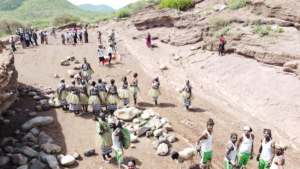
Strengthening Indigenous trajectories: Indigenous Wisdom and leadership in Africa
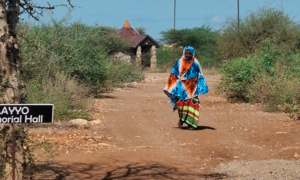
From March 25–28, 2026, Kivulini Trust, in partnership with Pawanka Fund, convened the gathering “Strengthening Indigenous Trajectories: Indigenous Wisdom and Leadership” in Isiolo, Kenya. The event brought together representatives from 26 Indigenous organizations across Africa, alongside local organizations from Kenya committed to advancing Indigenous Peoples’ rights, knowledge systems, and ways of life
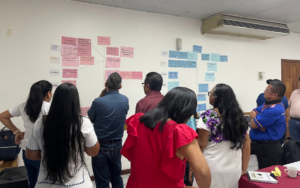
Semillas que Transforman
El 13 de noviembre de 2025, en un ambiente marcado por la urgencia climática y la fuerza de las voces territoriales, el Fondo Pawanka presentó en la COP30 el programa LAN Pawanka: Aprender de la Semilla, una apuesta global que busca fortalecer a más de 1.000 organizaciones indígenas mediante un modelo de aprendizaje propio, horizontal y escalable.